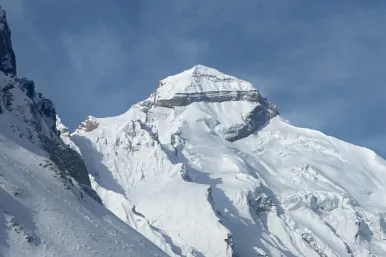
Most trekkers make one critical mistake when planning the Adi Kailash trek — they underestimate how dramatically the weather can shift. One moment the sky is clear blue, the next you are standing in the middle of a snowstorm at 6,000 meters above sea level. Understanding Adi Kailash temperature is not just about packing the right jacket. It is literally a matter of safety.
Adi Kailash, often called the "Chota Kailash" or the Indian equivalent of Mount Kailash in Tibet, sits deep in the Pithoragarh district of Uttarakhand, near the India-Tibet border. Its spiritual significance rivals that of the original Kailash Mansarovar, drawing Hindu pilgrims, Buddhist devotees, and seasoned trekkers from across the world. But the mountain does not forgive poor preparation.
In this guide, we break down everything you need to know about Adi Kailash climate, the best season for Adi Kailash Yatra, month-by-month temperature data, trekking conditions, and how to prepare for every possible weather scenario. Whether you are a first-time pilgrim or an experienced high-altitude trekker, this guide will help you make the smartest decision about when to go.
What Is Adi Kailash and Why Does Temperature Matter So Much?
Adi Kailash stands at approximately 6,191 meters (20,312 feet) above sea level. The base camp and the primary trekking zones sit between 3,000 and 5,600 meters. At these altitudes, weather is not predictable in the way it is at lower elevations. The Adi Kailash climate is driven by the Western Himalayan patterns and is heavily influenced by the Indian monsoon, sub-zero winters, and transitional spring and autumn windows.
What makes Adi Kailash different from many other Himalayan treks is the combination of remote terrain and limited infrastructure. There are no emergency helicopters on standby. Medical facilities are minimal. The nearest major town is Dharchula, and getting out in a weather emergency is not simple. This is exactly why knowing the temperature patterns is non-negotiable before you book your journey.
Adi Kailash Temperature: Month-by-Month Breakdown
January and February: Extreme Cold, Inaccessible Routes
During January and February, Adi Kailash temperature at higher altitudes drops to a brutal -15°C to -20°C. Even at the base levels near Gunji village (approximately 3,200 meters), temperatures rarely climb above -5°C during the day. Snowfall is heavy and continuous during these months.
The roads leading to the region — particularly the
Lipulekh Pass route — are completely blocked by snow. The Inner Line Permit-required zone is effectively shut down. No official Adi Kailash Yatra operations run during January and February.
Unless you are a trained mountaineer with specific permission and extreme cold-weather gear, these months are entirely off the table.
March and April: Cold but Transitional
By March, the Adi Kailash climate begins its slow transition out of deep winter. Daytime temperatures at lower base areas like Dharchula hover between 10°C and 18°C, making it comfortable at lower elevations. However, the higher reaches of the trek still see temperatures between -8°C and 0°C.
April sees further warming. Snow on the lower trails begins to melt, but fresh snowfall can still occur above 4,500 meters. The trails are not officially open, and landslide risk increases as the snowpack starts melting. April is a month for planning and physical conditioning, not actual trekking.
May and June: The First Prime Window
May and June represent the first and arguably most popular window for the
Adi Kailash trek. The Adi Kailash temperature during May ranges from 5°C to 15°C at base camp elevation (around 4,700 meters), with lower stretches near Narayan Ashram and Gunji seeing comfortable daytime temperatures of 12°C to 20°C.
June remains excellent, though the last week of June can see early monsoon influence bringing occasional showers in the lower valleys. Key advantages of trekking in May and June include:
- Clear skies with stunning views of Adi Kailash peak
- Rhododendrons and alpine flowers in full bloom across the trail
- Moderate temperatures that are manageable with standard trekking layers
- Fully operational permit systems and guesthouses along the route
- Lesser crowding compared to the post-monsoon October season
The nights can still be cold, dropping to -3°C to 0°C at higher camps, so sleeping bags rated to at least -10°C are essential even in May.
July and August: Monsoon Season — Proceed With Extreme Caution
July and August are the monsoon months, and this is when the Adi Kailash climate turns its most dangerous face. Rainfall is heavy and unpredictable. The mountain roads — many of them narrow, single-lane paths carved into sheer cliffs — become severely prone to landslides and flash floods.
Adi Kailash temperature during monsoon at base levels is actually relatively mild, ranging from 10°C to 18°C during the day. However, rain brings down the effective temperature significantly. Trekking in wet conditions at altitude leads to rapid heat loss and hypothermia risk.
The government often suspends Yatra operations during severe monsoon events. Several trekkers have been stranded for days during July and August due to road blockages caused by landslides. If your schedule forces a monsoon visit, be prepared for:
- Significant delays in travel
- Trail sections that may be flooded or washed out
- Limited visibility reducing the spiritual and scenic experience
- Higher risk of acute mountain sickness due to weather-induced rapid pressure changes
Most experienced guides and travel operators strongly recommend against planning the Adi Kailash Yatra during July and August. If you must travel during this window, always have a flexible itinerary with buffer days built in.
September and October: The Golden Season
If May and June are the first window, September and October are the crown jewels of the
Adi Kailash Yatra best time. After the monsoon retreats, the air becomes crystal clear, the skies turn a deep Himalayan blue, and the entire landscape takes on a post-rain freshness that is breathtaking.
Adi Kailash temperature in September sits between 8°C and 18°C at mid-elevation trekking zones, making it physically comfortable while still giving that invigorating mountain crispness. October sees temperatures beginning to drop more meaningfully, ranging from 2°C to 12°C during the day and falling to -5°C to -8°C at night above 4,500 meters.
October is when the trails see the highest number of pilgrims and trekkers. The views of Adi Kailash peak with the first dustings of fresh autumn snow are genuinely spectacular. The Nabhidhang meadow, one of the key viewpoints for the sacred peak, is at its most photogenic during October.
Key advantages of the September–October window include:
- Post-monsoon greenery combined with early snowcaps creates the most scenic conditions
- The air quality is at its best, with extraordinary visibility on clear days
- Religious atmosphere is heightened as this season coincides with major Hindu festivals
- All trekking infrastructure is fully operational
- Roads are clear from monsoon damage repairs done in late August
The main downside of October is that you must watch the closing dates carefully. By late October to early November, the Yatra officially closes for the season, and temperatures begin their rapid descent toward winter levels.
November and December: Early Winter Closure
By November, Adi Kailash temperature at high camps drops below -10°C, and snowfall becomes regular. The official Yatra season closes, and the border roads are progressively shut down. December sees full winter conditions return.
Understanding Adi Kailash Climate Zones
The Adi Kailash trek passes through several distinct climate zones, each with its own character. Understanding these zones is crucial for proper gear preparation.
Lower Valley Zone (Below 2,500 meters): Dharchula to Askot
This zone has a sub-tropical to temperate climate. Summer temperatures are warm, 25°C to 32°C in peak summer. This area gets significant monsoon rainfall. From this zone, the dramatic climb toward the high Himalayan zone begins.
Mid-Mountain Zone (2,500 to 3,800 meters): Narayan Ashram to Gunji
This is the transition zone. Temperatures here range from -5°C in winter to around 20°C in the warmest summer days. Most of the trekking accommodation — basic guesthouses and dharamshalas — is located in this zone. The Adi Kailash climate here is most influenced by the monsoon, making July and August particularly wet.
High Alpine Zone (3,800 to 5,600 meters): Gunji to Nabhidhang
This is where the real mountain weather begins. Temperatures can swing dramatically within a single day. Clear mornings can turn into afternoon snowstorms. Wind speeds at this elevation often exceed 40-50 km/h during storm systems. The Adi Kailash temperature at this level rarely exceeds 10°C even in summer, and nights are always cold regardless of season.
[Internal Link Placeholder: Link to "Adi Kailash Gear Checklist"]
Adi Kailash Distance: Understanding the Trek Layout
Before planning based on weather, it helps to understand what the Adi Kailash distance actually involves, because the longer the trek, the more weather windows you will pass through.
The standard Adi Kailash Yatra route breaks down roughly as follows:
- Dharchula to Tawaghat: Approximately 22 km by road
- Tawaghat to Narayan Ashram: Approximately 14 km, trekking begins
- Narayan Ashram to Gunji: Approximately 23 km
- Gunji to Kalapani: Approximately 15 km
- Kalapani to Nabhidhang (base viewpoint): Approximately 6 km
- Full circuit with Om Parvat darshan and return: The total Adi Kailash distance is approximately 80–100 km of actual trekking
This means you will be on the trail for a minimum of 10 to 14 days for a full pilgrimage circuit. A weather disruption in the middle of this route is far more serious than a disruption on a shorter day hike. Every weather-related decision you make before you leave Dharchula has cascading effects on the entire journey.
How to Pack for Adi Kailash Temperature Variations
Given the dramatic range in Adi Kailash climate across different elevations and seasons, packing on the layering principle is the only sensible strategy.
Base Layer
Choose moisture-wicking thermal underwear. Merino wool is ideal because it regulates temperature and resists odor during multi-day trekking. Avoid pure cotton, which retains moisture and causes rapid cooling at altitude.
Mid Layer
A heavyweight fleece or a down-insulated jacket rated to at least -5°C. This layer does most of the insulation work during the day and at rest.
Outer Shell
A waterproof, windproof hardshell jacket and matching trousers are non-negotiable. Even during the best trekking season, sudden rain or snow is always possible in the high alpine zone.
Extremities
Hands, feet, and head lose heat fastest at altitude. Pack insulated waterproof gloves, a balaclava or thick woolen hat, and thermal socks rated to -10°C or lower. Quality waterproof trekking boots with ankle support are essential for the variable terrain.
Sleeping
A sleeping bag rated to -15°C provides a significant safety margin above the likely night temperatures, accounting for wind chill and unexpected cold snaps.
Altitude Sickness and Its Relationship With Adi Kailash Temperature
One aspect of Adi Kailash climate that most guides do not discuss is the interaction between temperature drops and altitude sickness. Cold temperatures cause the body to work harder to maintain core warmth, which increases oxygen demand. At high altitude, where oxygen is already scarce, this combination can accelerate the onset of Acute Mountain Sickness (AMS).
Symptoms include headache, nausea, fatigue, and dizziness. The risk rises significantly above 3,500 meters. The Nabhidhang viewpoint at approximately 4,700 meters is particularly demanding.
Best practices to manage this include:
- Ascend gradually, following the "climb high, sleep low" principle
- Stay well-hydrated — at least 3 to 4 liters of water per day
- Avoid alcohol and sleeping pills in the first few days at altitude
- Carry Diamox (acetazolamide) if medically advised, after consulting your doctor
- Descend immediately if severe AMS symptoms develop, do not push through
Adi Kailash Yatra Best Time: A Quick-Reference Summary
To make this practical, here is a summary of the Adi Kailash Yatra best time broken down by traveler profile:
For spiritual pilgrims who want the full ceremonial experience with maximum fellow devotees, October is the peak pilgrimage month. The atmosphere is electric with devotion, and the post-monsoon clarity gives unforgettable views of the sacred peaks.
For trekkers and photographers who want the best balance of weather, scenery, and fewer crowds, late May and early June is the sweet spot. The spring colors and clear skies make this the most photogenic time of year.
For adventure trekkers comfortable with challenging conditions and who want solitude, early September offers post-monsoon freshness with significantly fewer crowds than October. For
budget travelers, May is typically the best combination of good weather and lower pricing on transport and accommodation, as October sees peak demand and correspondingly higher costs.
Practical Tips for Weather Preparedness on the Adi Kailash Trek
- Always check the weather forecast for Pithoragarh district and the broader Uttarakhand Himalaya in the week before your departure
- Register with local authorities and share your itinerary with someone outside the trek zone
- Carry a satellite phone or a personal locator beacon if trekking independently
- Book accommodation in advance for October, as guesthouses fill up quickly during peak pilgrimage season
- Never underestimate afternoon thunderstorms — aim to reach your camp by early afternoon each day
- Carry emergency high-calorie snacks and a basic first-aid kit at all times
FAQ: Adi Kailash Temperature and Trek Planning
Q1: What is the average temperature at Adi Kailash base camp?
During the trekking season (May to October), the average daytime temperature at Nabhidhang base camp (approximately 4,700 meters) ranges from 5°C to 15°C. Night temperatures regularly drop to -5°C or below even in peak summer.
Q2: When is the best time for Adi Kailash Yatra?
The Adi Kailash Yatra best time is May to June and September to October. These windows offer the most stable weather, clearest skies, and accessible trekking routes.
Q3: Can I do the Adi Kailash trek in July and August?
Technically possible, but strongly discouraged. The monsoon brings heavy rainfall, frequent landslides, and dangerous road conditions. Most experienced operators suspend operations during peak monsoon.
Q4: What is the total Adi Kailash distance from Dharchula?
The total Adi Kailash distance including road travel and actual trekking is approximately 95 to 105 km one way, covering varied terrain from subtropical valleys to high alpine meadows.
Q5: Is Adi Kailash colder than Kailash Mansarovar in Tibet?
Both are extreme high-altitude destinations. Adi Kailash at 6,191 meters is slightly lower than the Tibetan Kailash at 6,638 meters. However, due to the Indian monsoon influence on the Uttarakhand side, the Adi Kailash climate can feel more unpredictable and wetter during certain seasons.
Q6: How should I prepare physically for the Adi Kailash trek given the temperature challenges?
Start cardio and endurance training at least 3 months before your trek. Include stair climbing, weighted hikes, and overnight camping practice to acclimatize your body to sleeping in cold conditions. Yoga and pranayama (breathing exercises) are highly beneficial for altitude preparation.
Q7: Are there any weather-related permit restrictions for Adi Kailash?
The Inner Line Permit required for the Adi Kailash region is typically issued only during the official season, which runs from approximately May to October. The exact dates vary slightly year to year based on weather and government notification.
Q8: What should I do if the weather turns bad mid-trek?
Always defer to your guide's judgment. Do not attempt to push through if your guide recommends stopping or turning back. In severe cases, descend to lower elevations immediately. Pre-plan a turnaround point in your itinerary before you begin the trek.
Conclusion: Respect the Mountain, Read the Weather
Adi Kailash is not simply a destination. It is a test of your preparation, your patience, and your respect for the natural world. The mountain has stood for millennia, and it will continue to stand regardless of whether you rush your visit or plan it with care.
Understanding Adi Kailash temperature and the patterns of Adi Kailash climate is the single most important step you can take before embarking on this journey. Choose your season wisely. Pack intelligently. Move through the landscape with awareness and humility.Whether you are drawn by the spiritual power of the sacred peak, the adventure of high-altitude trekking, or simply the desire to stand in one of the most remote and beautiful corners of the Indian Himalayas, the rewards of a well-planned Adi Kailash trek are profound and lasting.
The mountain is waiting. Go when it welcomes you.