
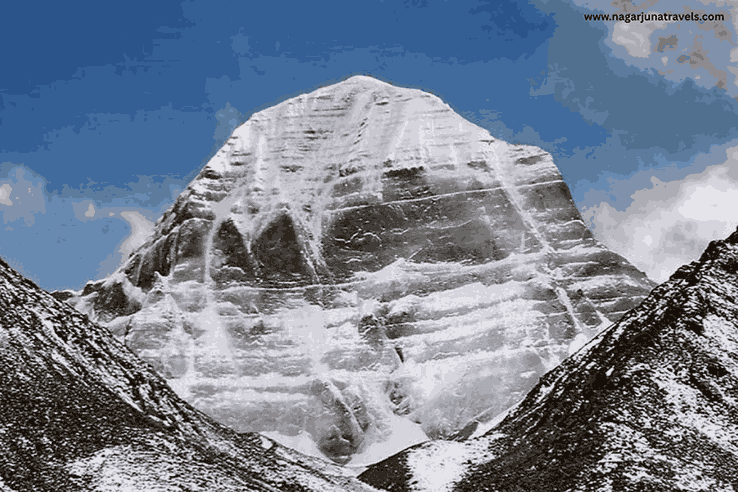
You've been dreaming about it for years. The snow-capped peak rising above the clouds. The still, turquoise waters of Lake Mansarovar at dawn. But every time you search online, you hit a wall of confusing routes, permit red-tape, and terrifying altitude warnings. You don't know where to start — and the clock is ticking on another season slipping by.
This guide cuts through all of it. Whether you're a spiritual seeker, an adventure trekker, or someone answering a lifelong calling, the Kailash Mansarovar trek is one of humanity's most profound journeys. And with the right information, it is absolutely within your reach.
What Is the Kailash Mansarovar Trek?
Three Routes for the Kailash Mansarovar Trek
There are three main routes to reach Mount Kailash. Each has its own character, difficulty, and permit requirements.
1. The Lhasa Route (via Tibet)
2. The Lipulekh Pass Route (via India)
3. The Simikot–Hilsa Route (via Nepal)
| Route | Path | Duration | Note |
|---|---|---|---|
| Via Tibet | Lhasa → Kailash | 12–14 days | Most popular |
| Via India (MEA) | Delhi → Lipulekh | 22–24 days | Budget-friendly |
| Via Nepal | Kathmandu → Simikot | 10–12 days | Faster access |
The Kailash Parikrama: Day-by-Day Breakdown
| Day | Route | Distance | Elevation |
|---|---|---|---|
| 1 | Darchen → Dirapuk | ~20 km | 4630–4900 m |
| 2 | Dirapuk → Dolma La → Zuthulpuk | ~22 km | 5630 m (peak) |
| 3 | Zuthulpuk → Darchen | ~10 km | Descent |
Best Season for Kailash Mansarovar Trekking

- May–June: Best weather. Clear skies, manageable cold nights. Most popular slot.
- July–August: Monsoon season. Heavy rain on the Indian/Nepal approach. Roads can wash out. Avoid if possible.
- September–October: Second-best window. Post-monsoon clarity with stunning views, but temperatures drop sharply at night.
- November–April: Routes are closed. Heavy snowfall makes the Parikrama impassable.
Permits and Documentation You Need
This is where many aspirants get overwhelmed. The permit system is layered, but manageable when broken down:
- Chinese Visa — Required for all Tibet-entry routes (includes single entry for Tibet travel)
- Tibet Travel Permit (TTP) — Issued only through a registered Tibet travel agency; cannot be applied independently
- Alien Travel Permit (ATP) — Required specifically for Mt. Kailash region
- Military Permit — Required for the sensitive border zones near Kailash
- Indian MEA Yatra Pass — For Indian nationals using the Lipulekh route
What Does the Kailash Mansarovar Trek Cost?
Costs vary significantly by route and operator. Here is a realistic breakdown:
- India (MEA Route): ₹1.5L–₹1.8L per person all-inclusive (government subsidized)
- Nepal Route: USD 2,500–USD 4,500 depending on group size and operator
- Tibet (Lhasa) Route: USD 2,800–USD 5,000 for international tourists
Costs typically include: transport, accommodation, permits, guide fees, porter charges, and shared vehicles. Flights to Lhasa or Kathmandu are usually separate.
Physical Fitness and Altitude Preparation
Many people underestimate the physical demands of this trek. The altitude alone — spending multiple days above 4,500 m — puts serious strain on your cardiovascular system. You do not need to be a mountaineer, but you must prepare.
3-Month Pre-Trek Fitness Plan
Month 1: Build aerobic base. Walk 5–7 km daily. Add light jogging 3x/week.
Month 2: Add uphill hiking. Carry a 5–8 kg backpack. Practice 10–15 km weekend walks.
Month 3: Increase elevation gain. If possible, do a short high-altitude trek (Kedarnath, Roopkund, or similar at 3,500m+).
Altitude Sickness: What to Know
Acute Mountain Sickness (AMS) is the most common risk on the kailash mansarovar trek. Symptoms include headache, nausea, dizziness, and fatigue. Do not ascend if symptoms appear — rest, hydrate, and descend if needed.
- Consult your doctor about Diamox (Acetazolamide) 4–6 weeks before departure
- Acclimatize for 1–2 nights at Lhasa (~3,650m) or Kathmandu (~1,400m) before pushing higher
- Drink 3–4 litres of water daily throughout the trek
- Avoid alcohol and smoking for at least 2 weeks before departure
What to Pack for the Kailash Mansarovar Trek
Packing smart is the difference between a suffering trek and a joyful one. Here are the non-negotiables:
- Layering system: thermal base layer, fleece mid-layer, waterproof outer shell
- High-altitude sleeping bag (rated to -15°C / 5°F)
- Broken-in, waterproof trekking boots
- UV-protective sunglasses and SPF 50+ sunscreen (UV is intense at altitude)
- Trekking poles — essential for Dolma La descent
- Portable water filter or purification tablets
- First aid kit with altitude medication, blister treatment, and hand warmers
- Lightweight headlamp with spare batteries
The Spiritual Significance of the Mansarovar Trek
For millions of devotees, the mansarovar trek is not an adventure — it is a lifetime's longing made real. Hindu scripture holds that a single circumambulation of Mount Kailash wipes away the sins of a lifetime. Completing 108 Parikramas is said to grant moksha (liberation). Tibetan Buddhists believe walking the Kora in the auspicious year of the Horse multiplies its spiritual merit by 13 times.
Lake Mansarovar itself is considered the purest lake on earth. Bathing in its waters at sunrise, with the peak reflecting in the still surface, is one of the most described moments of spiritual awakening in travel literature. Many pilgrims describe it simply as: indescribable.