
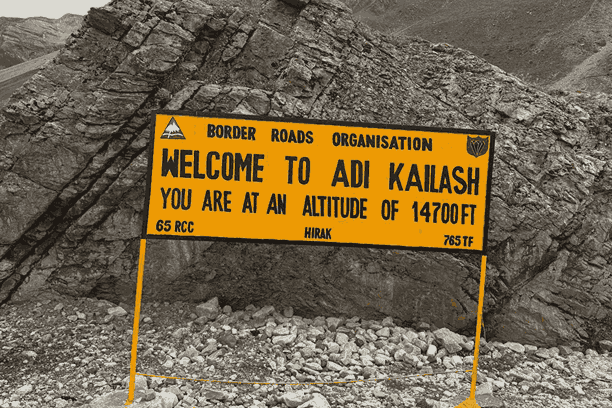
Is June a good month to trek to Adi Kailash — or are you walking into a weather gamble?
Every year, thousands of spiritual seekers and adventure trekkers dream of standing before the sacred peaks of Adi Kailash. But many arrive unprepared, caught off guard by sudden rainfall, slippery trails, or freezing nights. If you're planning your pilgrimage or trek in June, you've picked one of the most rewarding — yet nuanced — windows of the year. This guide breaks down Best Time to Adi Kailash Weather in June so you can plan smart, pack right, and walk with confidence.
Key Takeaways
- June is generally a good month to trek Adi Kailash, falling in the pre-monsoon to early monsoon window.
- Temperatures range from 5°C to 20°C depending on altitude and time of day.
- The total Adi Kailash trek distance is approximately 24–26 km (one way from Gunji).
- Early June (1–15) offers the most stable weather; late June brings early monsoon clouds.
- Always carry layered clothing — mornings and nights are cold even in summer.
- The route officially opens in May and stays accessible through October, weather permitting.
- Permits are mandatory via the Kumaon Mandal Vikas Nigam (KMVN) or authorized agencies.
What Is Adi Kailash and Why Does It Matter?
Adi Kailash, also known as Chota Kailash or Baba Kailash, is a sacred peak rising to approximately 6,191 metres in the Pithoragarh district of Uttarakhand, India. It is believed to be a replica of the great Mount Kailash in Tibet and holds immense significance for Hindu pilgrims, especially devotees of Lord Shiva.
The trek to Adi Kailash is not just a physical journey — it is a deeply spiritual experience. You pass through alpine meadows, dense forests, ancient temples, and remote villages that have barely changed for centuries.
Understanding Adi Kailash Trek Distance
Before diving into June weather, it's important to understand the trek distance and route structure, because terrain directly affects how weather impacts your journey.
We have a detailed post on this — read our complete guide: Adi Kailash Trek Distance: What You Need to Know
| Segment | Distance |
|---|---|
| Dharchula → Gunji (road) | ~90 km |
| Gunji → Nabhidhang | ~12 km |
| Nabhidhang → Adi Kailash Base | ~12–14 km |
| One Way Trek | ~24–26 km |
| Round Trip | ~48–52 km |
The trek is typically completed over 5–7 days including acclimatization stops.
Key Stops Along the Route
- Dharchula – Base town, starting point for road journeyRead our full road guide: Dharchula to Adi Kailash: Distance, Road Conditions & Key Stops
- Narayan Ashram – Peaceful spiritual stop en route, included in our Adi Kailash Yatra with Narayan Ashram & Darma Valley package
- Gunji – Last major village; ITBP check post for permits
- Nabhidhang – High-altitude camp at ~3,600 m
- Jolingkong (Adi Kailash Base) – Sacred lake and peak views at ~4,750 m
- Om Parvat – Sacred mountain visible from the route, famous for natural snow 'OM' symbol
Best Time to Adi Kailash: Why June Stands Out
The best time to visit Adi Kailash is widely considered to be May through June and September through October. June sits at a sweet spot — snow from winter has largely melted, wildflowers are in bloom, and the monsoon has not yet fully taken over.
June Weather at Adi Kailash: Month Breakdown
Early June (June 1–15): Prime Window
This is arguably the best window within June.
- Daytime temperatures: 12°C to 20°C at lower elevations; 5°C to 10°C at high camps
- Night temperatures: 0°C to 5°C — cold, but manageable with proper gear
- Sky conditions: Mostly clear with occasional clouds; excellent visibility
- Trail conditions: Dry to slightly damp; most snow has cleared except near the summit
- Crowd levels: Moderate — serious pilgrims and trekkers, not overcrowded
Late June (June 16–30): Monsoon Begins
The southwest monsoon typically arrives at the Kumaon Himalayas around the third week of June.
- Rainfall: Intermittent to moderate showers, especially in the afternoon
- Trail conditions: Paths can become slippery; landslide risk increases on steep sections
- Visibility: Can be reduced; cloud cover is frequent
- Still doable? Yes — but requires more preparation and flexibility in itinerary

Pro Tip: Book your trek to start between June 5–12 for the most balanced conditions — warm days, cold nights, clear skies, and minimal rain.
Altitude-Wise Temperature Guide for June
Understanding how temperature drops with altitude is critical for Adi Kailash trekkers.
| Location | Altitude | Day Temp | Night Temp |
|---|---|---|---|
| Dharchula | 915 m | 28–35°C | 18–22°C |
| Narayan Ashram | 2438 m | 20–25°C | 10–14°C |
| Gunji | 3200 m | 15–20°C | 5–10°C |
| Nabhidhang | 3600 m | 10–15°C | 2–6°C |
| Jolingkong / Adi Kailash | 4750 m | 5–10°C | -2–3°C |
Note: Temperatures can drop suddenly. Always dress in layers.
What to Pack for Adi Kailash Trek in June
Packing for June requires planning for both warm afternoons and freezing nights.
Clothing Essentials
- Thermal base layers (top and bottom)
- Fleece mid-layer jacket
- Waterproof and windproof outer shell
- Trekking pants (avoid jeans)
- Warm gloves and beanie
- Quick-dry socks (at least 4–5 pairs)
- Sturdy waterproof trekking boots
Gear Essentials
- Trekking poles (highly recommended for steep descents)
- Sleeping bag rated to -5°C or lower
- Rain poncho or rain cover for backpack
- Headlamp with extra batteries
- Sunscreen SPF 50+ and UV-protection sunglasses
- Water purification tablets
Medical Kit Basics
- Diamox (acetazolamide) for altitude sickness prevention — consult your doctor
- Basic first aid supplies
- ORS sachets for hydration
- Ibuprofen and paracetamol
Permits and Regulations for Adi Kailash Trek
The Adi Kailash route passes through a border-sensitive zone near the Indo-Tibet border. All trekkers — Indian and foreign nationals — require specific permits.
Required Permits
- Inner Line Permit (ILP): Mandatory for all visitors; obtained through KMVN or District Magistrate office in Pithoragarh
- ITBP Registration: You must register at the Indo-Tibetan Border Police check post at Gunji
- Forest Department Permit: Required in some sections
How to Apply
- Apply through KMVN (Kumaon Mandal Vikas Nigam) for a package tour
- Private operators registered with the Uttarakhand Tourism Board also facilitate permits
- Processing time: 3–7 working days minimum
How Difficult Is the Adi Kailash Trek?
The trek is rated moderate to challenging, suitable for reasonably fit individuals with prior trekking experience.
Difficulty Factors
- Altitude: The highest point is ~4,750 m — altitude sickness is a real risk
- Distance: ~24–26 km one way requires stamina
- Terrain: Mix of rocky paths, river crossings, and steep ascents
- Duration: 5–7 days of walking
Who Can Trek?
- Age: Generally suitable for ages 12–65 (in good health)
- Fitness: At least 3–4 weeks of cardio preparation recommended
- Experience: Prior trekking experience at altitude is an advantage, not a requirement
Spiritual Significance: More Than Just a Trek
For millions of devotees, the journey to Adi Kailash is a sacred pilgrimage (Yatra) as much as a physical adventure.
Sacred Sites on the Route
- Adi Kailash Peak: Shaped remarkably like Mount Kailash in Tibet
- Parvati Sarovar (Jolingkong Lake): A high-altitude lake considered holy; pilgrims take a ritual dip
- Om Parvat: A peak where natural snowfall creates the Sanskrit symbol 'ॐ' (Om) — a breathtaking sight
- Kuthi Village Temples: Ancient shrines dedicated to local deities
Many pilgrims observe fasting and prayer throughout the yatra. The atmosphere at the base camp during sunrise — with Adi Kailash glowing in the morning light — is described by many as a transcendent experience.
How to Reach Adi Kailash: The Route Explained
By Air
- Nearest Airport: Pantnagar Airport (~280 km from Dharchula) or Jolly Grant Airport, Dehradun (~430 km)
- Connect by road via Pithoragarh to Dharchula
By Rail
- Nearest Railway Station: Tanakpur (~200 km from Dharchula)
- Regular buses and shared taxis connect Tanakpur to Dharchula
By Road
- From Delhi: ~600 km via NH9 to Tanakpur, then onward to Dharchula
- Road condition after Dharchula is mountain terrain — shared SUVs or KMVN vehicles are used
| Month | Weather | Trail | Crowd | Recommended |
|---|---|---|---|---|
| May | Cool, clear | Excellent | Low–Mod | ✓ Yes |
| June (Early) | Warm, cold nights | Good | Moderate | ✓ Best |
| June (Late) | Early monsoon | Slippery | Low | ⚠️ Caution |
| July–Aug | Heavy monsoon | Risky | Very low | ✗ No |
| September | Clear | Good | Mod–High | ✓ Yes |
| October | Cold, clear | Good | Low | ✓ Yes |
Tips for a Safe and Fulfilling Adi Kailash Trek in June
- Acclimatize properly — spend a night at Gunji (3,200 m) before ascending further
- Start trekking early each day — weather is most stable in the morning; afternoons bring clouds
- Stay hydrated — drink 3–4 litres of water daily at altitude
- Follow the "climb high, sleep low" principle where possible
- Respect local customs — this is a sacred area; dress modestly, avoid loud music
- Hire a local guide — they know the trail, weather patterns, and emergency routes
- Keep emergency contacts ready — ITBP helpline and nearest hospital in Pithoragarh
- Check the weather forecast two days before major ascent days
- Travel with a registered tour operator especially for first-timers
- Leave no trace — carry out all your waste; the ecosystem here is fragile