
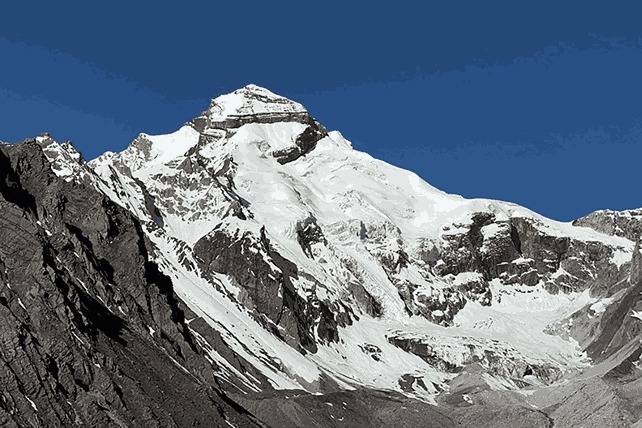
Adi Kailash, also known as Chhota Kailash, is a beautiful and sacred mountain located in the Pithoragarh district of Uttarakhand, India. Standing at a height of around 6,191 meters, it closely resembles the famous Mount Kailash in Tibet, which is believed to be the home of Lord Shiva.
This place is not just important for religious reasons but also for its natural beauty. Surrounded by snow-covered peaks, peaceful lakes like Parvati Sarovar, and quiet valleys, Adi Kailash offers a calm and spiritual experience. Many pilgrims and travelers visit this place to seek peace, adventure, and a deeper connection with nature.
May is one of the best months to visit. The weather is not too cold, the snow is melting, flowers are blooming, and the trails are just opening up for the season. Let's break down everything you need to know before you go.
May Weather at Adi Kailash: Temperature
May weather at Adi Kailash is cool and mostly pleasant — but it can surprise you, especially at night.
During the day:
In lower towns like Dharchula — 10°C to 18°C (think a light jacket weather)
Higher up on the trail — 4°C to 10°C (noticeably cooler)
At night:
Temperatures drop to 0°C to 4°C — near freezing
Near the top, it can go below 0°C
The mornings are cold and crisp. Afternoons are warm and sunny. But by late afternoon, clouds can roll in and bring light rain — especially in the last two weeks of May. Always carry warm clothes, even if the afternoon sun feels nice.
Trail Conditions in May
May is the start of the Adi Kailash trekking season. By mid-May, most of the trail becomes open and easy to travel. In early May, some higher areas may still have snow or ice, so you need to be a little careful.
Adi Kailash Travel Route
The journey typically starts from Dharchula in Pithoragarh district and passes through scenic villages like Tawaghat, Narayan Ashram, Gunji, and Kalapani before reaching the sacred Jolingkong Lake at the base of Adi Kailash peak. The total distance is roughly 80–90 kilometres one way, depending on your route.
How Difficult is the Adi Kailash Trek?
The Adi Kailash trek is moderate to difficult. You don’t need to be an expert trekker, but you should be fit and active.
On the way, you will face:
Steep uphill and downhill paths through forests
Rocky routes and small river crossings
Narrow mountain trails in some areas
High altitude, going up to around 4,700 meters near Jolingkong
Why May is the Best Time for Adi Kailash Trek
May is one of the most beautiful and exciting times to visit Adi Kailash. The trail feels fresh, lively, and full of natural beauty.
Colorful Rhododendrons bloom in the lower forests, covering the hills in bright red and pink shades.
The Kali River flows strongly due to melting snow, making the valley views even more stunning.
You may spot Himalayan birds and animals like musk deer, and if you're lucky, even a distant snow leopard.
The sacred Om Parvat is clearly visible, with its natural “ॐ” shape looking especially striking.
Roads to Dharchula and nearby areas are mostly in good condition, though you should be careful in landslide-prone areas after rain.
Overall, May offers a perfect mix of good weather, scenic beauty, and spiritual experience, making it one of the best months for the Adi Kailash trek.

Adi Kailash Travel Tips: Pack Smart & Trek Safely
A little preparation goes a long way in the Himalayas. Here are some tried-and-true tips to make your Adi Kailash journey smooth and memorable.
What to Pack
Layered clothing is your best friend — thermal inner layers, fleece mid-layers, and a windproof outer jacket
Waterproof trekking boots with good ankle support
Sunscreen (SPF 50+), UV-protection sunglasses, and a wide-brimmed hat
A reliable sleeping bag rated to at least -5°C
A basic first-aid kit and altitude sickness medication (consult your doctor beforehand)
Reusable water bottles and purification tablets
On the Trail
Start early each day — aim to be at your next camp by early afternoon, before cloud cover builds.
Hydrate constantly. Altitude can mask thirst, but dehydration sets in fast.
Take it slow. Altitude sickness is real. Ascend gradually and take rest days when needed.
Hire a local guide or join a registered tour operator — it's not just helpful, it's required for certain restricted areas near the India-Tibet border.
Respecting Local Customs
Adi Kailash is a deeply sacred site. Dress modestly and maintain a respectful, quiet demeanour near temples and sacred areas.
Avoid plastic waste — carry your trash back with you and support the local "Leave No Trace" ethos.
Seek permission before photographing locals or religious ceremonies.
Conclusion: Is May a Good Time to Visit?
Yes — absolutely! May is one of the best time to visit Adi Kailash. The weather is manageable, the trail is scenic, and it's not yet crowded. Whether you're going for spiritual reasons or just love the mountains, this trip will leave a deep mark on your heart.
Just prepare well, respect the mountains and the local culture, and enjoy every step of the journey. The Himalayas have a way of making you feel very small — and very alive — at the same time.